- 466 Murray Rd, Preston 3072
- 03 9471 9871
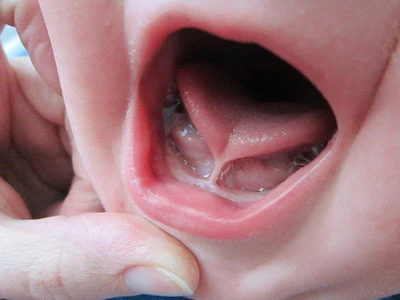
Tongue tie, or ankyloglossia, occurs when the tissue under the tongue is unusually short or tight, restricting tongue movement. In babies, this can affect latching, sucking and breastfeeding.
Our clinicians can assess your baby’s tongue movement and feeding to determine whether treatment is required.
Signs may include:
When tongue tie is affecting feeding, a lingual frenotomy may be recommended. The procedure involves releasing the restrictive tissue under the tongue to allow greater tongue movement.
For suitable young babies, the procedure can generally be performed quickly without anaesthesia. Babies are usually encouraged to feed immediately afterwards.
Your baby can normally feed immediately after the procedure. Mild fussiness or discomfort can occur during the first few feeds.
A small white or yellowish patch may appear under the tongue during healing. This is a normal part of the healing process and usually settles within around two weeks.
Contact your doctor if you notice excessive bleeding, signs of infection, significant feeding difficulties or other concerns.
A quick and gentle injection that helps protect newborns from Vitamin K Deficiency Bleeding (VKDB).
Assessment and treatment for tongue tie in babies and children, including tongue tie release where clinically appropriate.
Telehealth consultations provide convenient access to medical care by phone or video, where clinically appropriate.
Aclasta infusion is a treatment used for certain bone and mineral conditions, including osteoporosis, where clinically appropriate.
Iron infusion provides iron directly into the bloodstream to help restore iron levels when oral iron supplements are not suitable,
Circumcision services are available for both children and adults, provided in conjunction with Dr M. Hajoona of Victoria Circumcision Clinic.

