- 466 Murray Rd, Preston 3072
- 03 9471 9871
Tongue tie occurs when the tissue beneath the tongue, known as the lingual frenulum, is unusually short or tight. This can restrict tongue movement and, in babies, may affect breastfeeding.
Our clinicians assess tongue movement and feeding to determine whether treatment is appropriate.
Common signs may include:
When tongue tie is affecting feeding, a procedure called a lingual frenotomy may be recommended. This releases the restrictive tissue beneath the tongue to allow greater movement.
The clinician will assess your baby’s tongue, feeding and overall situation before recommending treatment. Suitable young babies may be able to have the procedure performed quickly without anaesthesia.
Before the procedure, your baby should have received Vitamin K or the recommended oral doses.
Most babies recover quickly and can feed immediately after the release. A small amount of bleeding may occur, and a white or yellowish healing patch beneath the tongue can be normal and usually settles within two weeks.
Contact your healthcare professional if you notice excessive bleeding, signs of infection, or significant feeding difficulties.
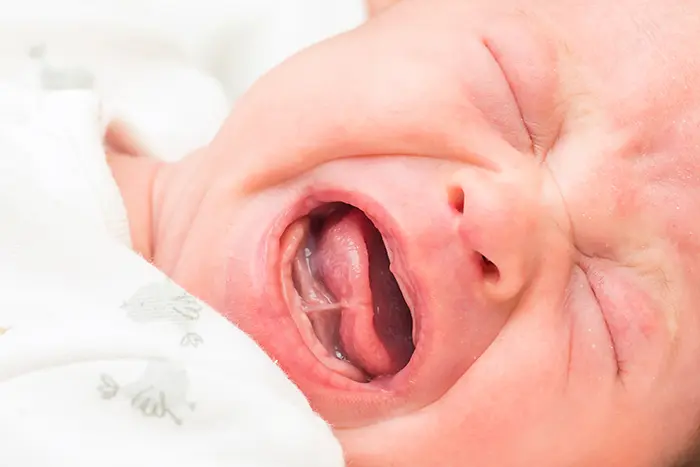
Most babies can feed normally immediately after a tongue tie release. Mild fussiness or discomfort during the first few feeds
Gentle assessment and tongue tie release for babies experiencing feeding difficulties.
Assessment and treatment for tongue tie (ankyloglossia), including tongue tie release for babies and children when clinically appropriate.
A quick and gentle injection that helps protect newborns from Vitamin K Deficiency Bleeding (VKDB).
Assessment and treatment for tongue tie in babies and children, including tongue tie release where clinically appropriate.
Telehealth consultations provide convenient access to medical care by phone or video, where clinically appropriate.

